A polished home is not necessarily the one with the most furniture, the boldest finishes, or the largest collection of decorative pieces. In Fort Myers, a well-designed interior can feel comfortable and refined at the same time by using proportion, light, texture, and practical planning. The goal is to create rooms that look cohesive but still feel like they belong to the people who live there.
Begin with the way the space is used. A living room that hosts family gatherings needs a different layout from a formal sitting area that is used occasionally. A kitchen may need clear working zones and storage, while a bedroom should support a calmer rhythm. When function is established first, aesthetic decisions become easier because there is a reason behind the placement of furniture, lighting, and accessories.
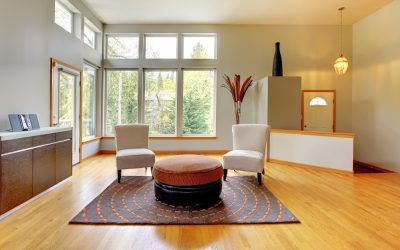
Homeowners comparing an interior design company in Fort Myers, FL, may also want to think about how indoor spaces connect with the local environment. Natural light can have a strong effect on colors and materials, and windows may influence furniture placement throughout the day. Instead of selecting paint or fabrics from a small sample in isolation, consider how the entire room will look under its actual lighting conditions.
Texture is an effective way to add depth without making a room feel busy. Smooth surfaces can be balanced with woven materials, wood, stone, soft upholstery, or layered textiles. A neutral room does not have to be flat if the materials vary. Similarly, a room with color can remain sophisticated when the palette is controlled and repeated thoughtfully rather than scattered across unrelated accents.
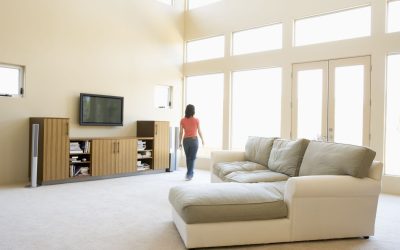
Scale is another detail that can quietly make or break a room. A large sectional in a small room can overwhelm circulation, while furniture that is too small for a generous space may make the room feel unfinished. Measure the available area, account for pathways, and consider the visual weight of each major piece. A good plan allows the room to breathe while still providing enough furniture for its purpose.
Lighting should be layered instead of relying on one fixture in the center of a ceiling. Ambient light provides general illumination, while task and accent lighting can support specific activities and highlight architectural or decorative features. The result is a room that can change throughout the day. This is particularly useful in homes where the same space needs to support conversation, reading, dining, entertaining, or quiet evenings.
Lisa Green Interiors can be considered by Fort Myers homeowners looking for professional guidance on the design of their interiors. During an initial discussion, it is helpful to share the rooms you want to improve, the problems you are trying to solve, and the look or feeling you hope to achieve. Photos, measurements, and inspiration examples can make that conversation more productive.
A successful interior does not depend on following every trend. It comes from making connected decisions that suit the architecture, daily routines, and personality of the household. By starting with function, paying attention to scale and light, layering texture, and selecting details with intention, Fort Myers homeowners can create spaces that feel finished without losing the comfort that makes a house feel like home.
Accessories should come near the end of the process, not the beginning. Once the furniture layout, lighting, major finishes, and color relationships are established, smaller pieces can be chosen to fill genuine gaps. This prevents the common problem of buying decorative items that later have nowhere to go. It also makes the final styling feel more deliberate because each item supports the room rather than competing for attention.
For larger projects, it can be useful to photograph rooms from several angles before making changes. Images can reveal proportion problems that are less obvious while standing in the space. They also provide a reference when comparing possible furniture sizes, artwork placement, or lighting locations. A thoughtful design process uses both visual inspiration and practical observation to shape the final result.
A useful design plan should leave enough flexibility for real life. Furniture may need to move for guests, children, pets, or changing routines, and a room may serve more than one purpose. Designers can help identify ways to keep circulation open while still creating a strong visual arrangement. Thinking about these everyday changes before purchasing major pieces can make the finished interior more comfortable and durable.
Frequently Asked Questions
How can I make a home feel more polished?
Focus on proportion, coordinated materials, layered lighting, and a clear furniture layout. Reducing visual clutter can also make the design feel more intentional.
Why is natural light important when choosing interior colors?
Light changes how colors and finishes appear throughout the day. Looking at samples in the actual room can provide a more realistic idea of the final result.
What should I bring to an interior design consultation?
Bring photos, measurements if available, inspiration images, and a list of the rooms and problems you want to address. It also helps to identify your priorities and budget range.