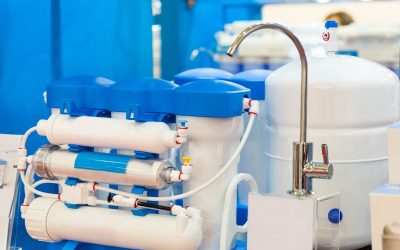
• A water softener system reduces scale buildup, extends appliance life, and improves soap and detergent performance in hard-water homes.
• Federal guidance generally classifies water above 120 mg/L (7 grains per gallon) as hard.
• Homes in West Bend, WI, commonly deal with hard water caused by regional mineral content in groundwater supplies.
A water softener system addresses hard water by removing dissolved calcium and magnesium, which otherwise cause scale buildup in pipes, fixtures, and appliances. For households noticing cloudy glassware, stiff laundry, or reduced water heater performance, installing a water softener system in West Bend, WI, is one of the most direct ways to correct those issues at the source.
Hard water is widespread across the Midwest, and West Bend, WI, is no exception given the region’s mineral-rich groundwater. The federal guide on water softener selection notes that water with a hardness level greater than 120 mg/L, or 7 grains per gallon, typically warrants treatment to reduce hardness. Understanding where a home’s water falls on that scale is the first step before comparing softener types or sizing a system.
How Hard Water Affects a Home
Mineral-heavy water does more than leave spots on dishes. Over time, untreated hard water can measurably wear down plumbing and appliances.
• Scale accumulation: Calcium and magnesium deposits build up inside pipes, water heaters, and fixtures, narrowing flow and reducing efficiency.
• Appliance strain: Dishwashers, washing machines, and water heaters working against scale buildup often need more frequent repairs or replacement.
• Soap and detergent waste: Hard water reacts with soap to form residue rather than lather, so you need more product for the same cleaning result.
The EPA’s technical fact sheet on water softening explains that cation exchange substitutes sodium ions for the calcium and magnesium ions that cause hardness, and these systems require periodic regeneration to purge the hardness ions. That regeneration process is central to how most residential softeners function.
Comparing Water Treatment Options
Not every hard water problem calls for the same fix. The table below outlines how common treatment approaches differ in function and suitability.
| Treatment Type | Primary Function | Best Suited For |
| Ion-exchange water softener | Removes calcium and magnesium via resin beads | Moderate to very hard water throughout a home |
| Salt-free conditioner | Reduces scale formation without removing minerals | Mild hardness or where sodium addition is unwanted |
| Reverse osmosis system | Removes hardness minerals plus other dissolved solids | Drinking water at a single tap, not whole-house use |
| Iron filter | Targets iron and related mineral staining | Homes with iron-heavy well water alongside hardness |
A whole-house ion-exchange softener remains the standard recommendation for households with consistently hard water. At the same time, the EPA’s guide to water softeners notes that reverse osmosis is typically paired with it for drinking water rather than used as a standalone whole-house solution.
What to Consider Before Installing a System
Selecting the right unit depends on household water use and the hardness level measured in the home’s supply.
1. Test water hardness first. A local water quality report or a professional test establishes the baseline hardness in grains per gallon or mg/L.
2. Match system capacity to household size. Larger households with higher water consumption need softeners rated for greater grain capacity.
3. Check for demand-initiated regeneration. Systems that regenerate based on actual water use rather than a fixed schedule tend to use less salt and water over time.
4. Confirm installation supports existing plumbing. Older homes may require additional fittings or bypass valves during setup.
Based in Watertown, WI, water treatment providers serving West Bend, WI, typically begin with a water test before recommending a softener sized to the home’s actual usage and hardness level.
Frequently Asked Questions
How do I know if my home needs a water softener? A water hardness test is the most reliable method; results above 120 mg/L generally indicate a softener would reduce scale and improve appliance performance.
Does a water softener remove all water quality issues? No. Softeners target hardness minerals and do not address other contaminants, which may require separate filtration.
How often does a water softener need maintenance? Most systems need periodic salt refills and occasional cleaning, with maintenance frequency tied to household water use and hardness level.
Can a water softener affect water heater efficiency? Yes. Reducing scale buildup helps water heaters maintain efficiency, since mineral deposits can otherwise interfere with heating elements over time.
Local Water Service Information
Water treatment needs vary by property, and a professional water test remains the most accurate way to determine the right system size and type for a given home. Published details for Schaefers Soft Water outline the local service area and equipment options available to area households.